
Immigration
US Citizenship and Naturalization: The Complete Final Step
7 min read · Updated July 12, 2026
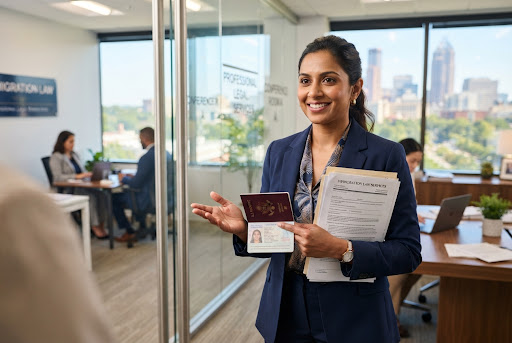
After years of visas and the green-card wait, naturalization is the last climb — and unlike everything before it, the requirements are clear, published, and fully preparable. Here is the whole path, including the India-specific decisions that come with it.
The requirements, spelled out
The general track: five years as a lawful permanent resident (three if married to and living with a US citizen throughout), physical presence for at least half that period, continuous residence throughout it, residence in your state or USCIS district for three months, good moral character, and passing the English and civics tests.
The trap for globally mobile Indians is continuous residence: trips abroad of six months to a year presumptively break it (rebuttable with evidence); trips over a year break it outright absent an approved preservation application (N-470) — and separate from all of that, extended absences can raise abandonment questions about the green card itself, where re-entry permits (I-131) are the protective tool. Long India stints need planning years before the N-400, not explanations after.
The process and the tests
File Form N-400 (online filing is standard); attend biometrics; then the interview, where an officer reviews your application and administers the tests: English reading, writing and speaking, plus civics from the officially published question pool. USCIS provides every question, answer and study tool free — the civics test is preparation-friendly by design, and exemptions exist for age-plus-residence combinations (50/20, 55/15 rules) and medical conditions.
Approved applicants take the Oath of Allegiance at a ceremony — citizenship is effective at the oath, not the approval. First moves after: apply for the US passport, update SSA records, and register to vote (which is both a right and, once registered, a jury-duty pipeline — see our civic-life guide when it publishes).
The India decision that comes with it
Indian law does not permit dual citizenship: acquiring US citizenship terminates Indian citizenship by operation of law, and continuing to use the Indian passport after naturalizing is an offense under Indian law. The formal steps: surrender the Indian passport for cancellation through the consulate's process, obtain the surrender certificate, then apply for OCI.
OCI restores the practical life most people want — lifelong visa-free entry, indefinite stay, and broad economic parity — with defined exceptions (no voting, no constitutional office, no agricultural land purchase; see our OCI FAQ). Families naturalizing at different times should also note: children's citizenship and OCI situations follow their own rules, worth mapping with the consulate checklist before travel plans depend on them.